en
en
 de
de
 ru
ru
 uk
uk
 es
es
Currency selection
The entire agricultural market on one website
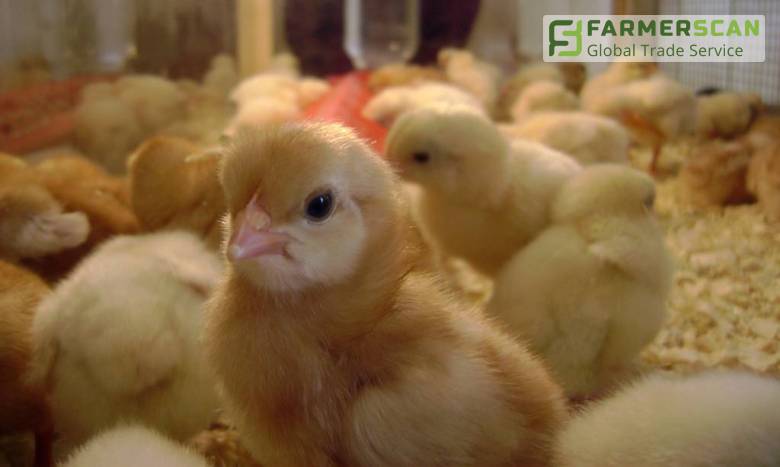
Artificial incubation consists of a number of periods, starting from incubation and until the ending of the chicken development. Although this process is quite laborious, it does not require much effort when you understand its main features.
You can start in two ways – to buy chickens or to buy an incubator and eggs. Buying daily or adult chicks saves time, but costs more. This method is suitable for small households.
To do business, you need an incubator. The purchase of special equipment requires additional investments that will pay off over time. As a result, the incubator significantly reduces the cost of the process of chicks hatch.
Chick hatch process
Before using, you must disinfect the incubator, as well as ensure its serviceability. The incubation period lasts 21 days; during this time, it is important to control the temperature and humidity of the air.
After the birth of the chicks, they stay in the incubator for 24 hours. Then the day-old chicks are moved to a brooder, where they will stay for a month. This stage requires special attention to the keeping and nutritional conditions. Then already grown up chicks are moved to the breeding hutch, in which a special lamp provides the necessary light and heat. This period will last about one and a half months and immediately precedes the chickens raising. Raising is the period from the age of 2.5-3 months and until the eggs will be laid. Chicks no longer require such careful care as in the early stages. However, in the raising process, it is important to follow a number of basic principles.
Housing conditions:
1. The area of the premises should correspond to the number of chickens. A high density negatively affects the development of chicks
2. Providing of ventilation
3. The premises should be warm and draft-free
4. It is necessary regularly to clean the feeders and waterers, periodically disinfect the area and keep the beddings dry and clean.
Heating
For hatched chicks, the temperature conditions are important – the optimum temperature is +37 degrees. It can be increased by one or two degrees, especially in the first days of life, but less than + 37°C is not recommended.
The temperature is gradually reduced: to +30°C at the end of the first week and to +25°С at the end of the first month of the chicken's life. In the second month, the room temperature is set in the premises.
The chickens are heated with special infrared and blue lamps that makes it difficult for the light to pass. The plenty of light has a negative impact on the growth of chickens. The power of such lamps is in the range from 150 to 250 W, electric potential – from 125 to 220 V.
By the correct temperature, the chickens will be evenly spreaded throughout the cage. If the chicks are gathered under the heat source, or, on the contrary, are located far from it, this indicates the need to regulate the temperature.
Lighting
In the first days of life, chickens require constant lighting with a high level of intensity, which not only provides chickens with warmth, but also contributes to their growth. For older chickens, the length of daylight is reduced to 16-18 hours.
Ventilation
A great number of chickens increases the level of carbon dioxide and water vapour in the air, which negatively affects the health of the chickens. Therefore, the ventilation of the premises should be continuous and intensive. It is important to avoid drafts that are disastrous for chickens, especially in the early stages of growth. It is necessary to make barriers in the form of a circle at a height of about one meter to protect chickens from airflows. It is important to use plywood, board, cardboard and other materials to make barriers. The barrier is located in the heating zone of the infrared lamp, so the partition allows the chickens to keep closer to the heat source.
Ventilation and fresh air help to maintain the optimal level of humidity, which not exceeds 60%.
Feeding
Most often, the diet of chickens consists of granulated feed, the composition of which depends on the age of the chickens. It is not recommended to give chickens grain or grass until the age of one month. Chickens should have clean drinking water. The water in the waterers becomes easily dirty with left-over food. It is necessary to clean them at least once a day to prevent the development of infections, especially in the first month of life. Feeders are recommended to be filled by half and periodically cleaned to avoid food waste and the accumulation of old or moldy food.
Disease prevention:
1. Timeous cleaning and treatment of the premises with disinfectants
2. Compliance with temperature requirements
3. Ventilation of the room
4. Correct care and balanced nutrition
5. Treatment against insects, rodents and other pests
6. Safe feeders and waterers
As may be necessary, preventive measures are complemented by vaccination and antibiotics. Chickens should be regularly examined, paying attention to their condition and behavior. When finding out the sick or the dead chickens, they should be immediately removed from the general mass, so as not to infect the rest of the chickens.
Cannibalism
The main reasons, which cause this problem, are unbalanced feed, excessive density of chickens, excessive heat and light, stress, wounds and blood. Cannibalism is difficult to control after it has begun. It is important not to create provocative conditions for its prevention. If it is necessary, the beaks of some chickens can be cut. In this case, the incision must be cauterized to prevent loss of blood and infections.